Have you ever experienced a toothache that just won't quit? Or maybe you have a sensitive tooth that makes you cringe every time you take a sip of something cold. If so, you might be wondering if your tooth needs a root canal.
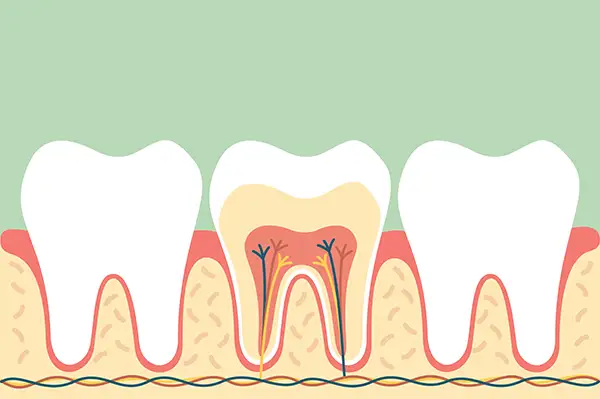
A root canal is a treatment that can save a tooth that is badly decayed or infected. It involves removing the infected pulp from the inside of the tooth and then filling and sealing the space. This can help to relieve pain and prevent the infection from spreading.
But how do you know if your tooth needs a root canal? Here are some signs and symptoms to watch for:
•
Severe toothache: This is the most common symptom of a tooth that needs a root canal. The pain can be constant or come and go, and it may be worse when you bite down or apply pressure to the tooth.
•
Sensitivity to hot and cold: If your tooth is sensitive to hot or cold temperatures, it could be a sign that the pulp is inflamed or infected.
•
Swelling of the gums: If the gums around your tooth are swollen, it could be a sign of an infection.
•
Discoloration of the tooth: A tooth that has died may turn gray or brown.
If you are experiencing any of these symptoms, it is important to see a dentist right away. They will be able to examine your tooth and determine if a root canal is necessary.
What Happens During a Root Canal?
A root canal is usually performed in one or two appointments. During the procedure, the dentist will:
•
Numb the area around the tooth.
•
Make a small opening in the top of the tooth.
•
Remove the infected pulp from the inside of the tooth.
•
Clean and shape the root canals.
•
Fill and seal the root canals.
•
Place a temporary or permanent filling or crown on the tooth.
After the root canal, you may experience some discomfort, but this should subside within a few days. Your dentist will give you instructions on how to care for your tooth after the procedure.
Benefits of a Root Canal
A root canal can save a tooth that would otherwise need to be extracted. This can help to:
•
Preserve your natural teeth.
•
Prevent the need for dentures or implants.
•
Improve your oral health.
Risks of a Root Canal
As with any medical procedure, there are some risks associated with root canals. These risks include:
•
Infection
•
Pain
•
Swelling
•
Damage to the tooth
However, these risks are rare, and the benefits of a root canal usually outweigh the risks.
Conclusion
If you are experiencing any of the symptoms of a tooth that needs a root canal, it is important to see a dentist right away. A root canal is a safe and effective procedure that can save your tooth and improve your oral health.



 Have you ever experienced a toothache that just won't quit? Or maybe you have a sensitive tooth that makes you cringe every time you take a sip of something cold. If so, you might be wondering if your tooth needs a root canal.